 Aira
Aira
Silent strokes often produce no symptoms at all. Here's what they are, who tends to be at higher risk, and how a Whole Body MRI based Health Checkup may help identify related findings.
Book Your Scan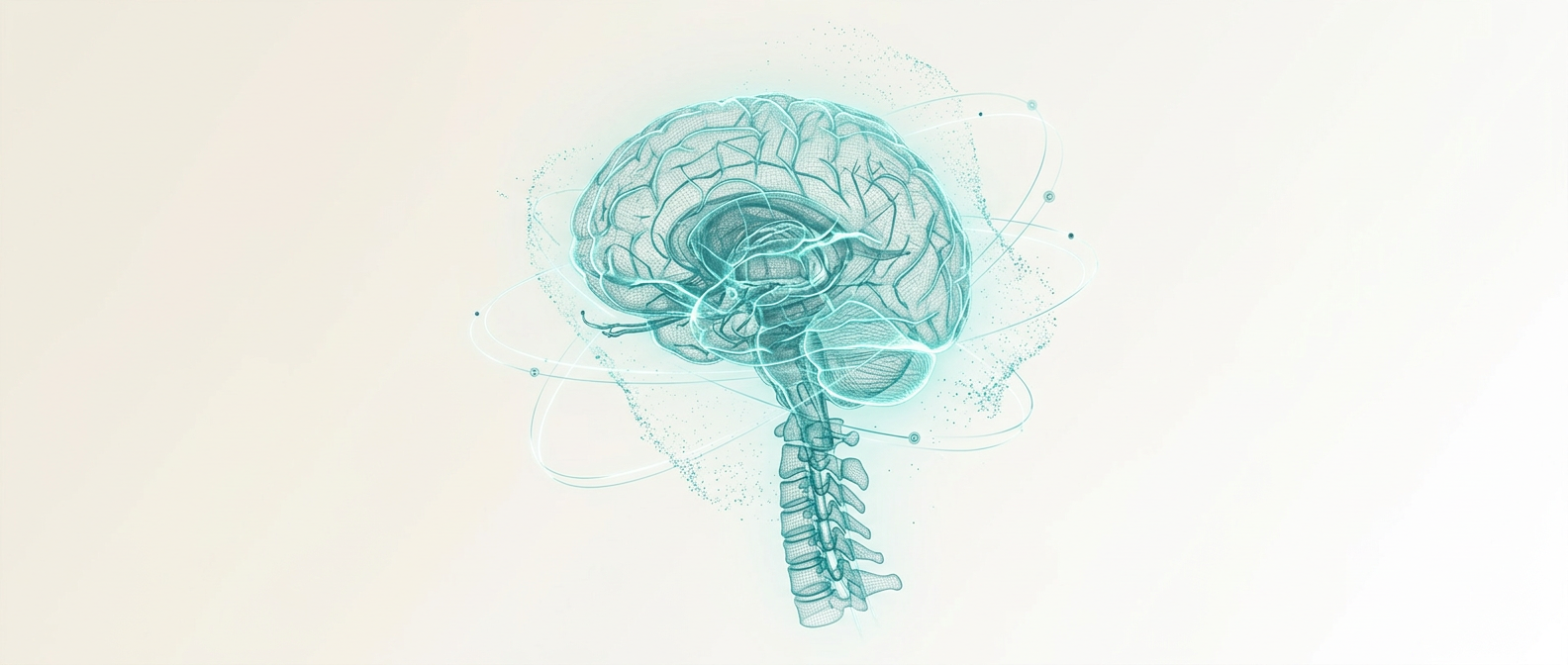
By the Aira Medical Advisory Board
A panel of radiologists, physicians, and preventive-health specialists who guide the clinical accuracy and patient-communication standards of Aira's educational content.
A silent, or covert, stroke happens when blood flow to a small area of the brain is briefly interrupted, affecting a pocket of tissue without producing any of the symptoms most people associate with a stroke, no sudden weakness, no slurred speech, no dramatic moment that sends anyone to a hospital. The event passes unnoticed, and life continues as normal.
The word "silent" refers only to the absence of symptoms at the time it happens, not to the biological reality of what occurred. On structural brain imaging, these events can sometimes leave small, identifiable traces, findings that a radiologist may flag and a doctor can then evaluate in the context of a person's broader health picture.
It's tempting to dismiss anything that doesn't announce itself. But research has associated silent strokes with a gradual, cumulative pattern, over years, multiple small events may be linked to changes in memory, concentration, and future stroke risk. None of this is meant to alarm; it's simply why clinicians increasingly think of brain health as something to stay curious about proactively, rather than something to revisit only after a crisis.
To understand how this fits into a full checkup, see Aira's brain and neurological screening or read more about how silent stroke screening works.
Certain factors are more commonly associated with silent stroke findings: being over 45, living with high blood pressure or diabetes, having a family history of stroke, and a largely sedentary daily routine. These are risk factors, not predictions, plenty of people with several of these factors never have a related finding, and some without any do. That uncertainty is exactly why broader screening, rather than guesswork, appeals to many people.
Structural brain imaging, such as the brain and neurological component of a Whole Body MRI based Health Checkup, may help identify findings associated with past silent strokes that a doctor can then examine more closely. It's important to be precise here: imaging surfaces findings, it does not itself diagnose a condition or confirm a stroke occurred. Where detectable, such findings become useful information a doctor can weigh alongside blood pressure readings, lifestyle history, and other clinical context.
Curious whether a Whole Body MRI based Health Checkup is right for you?
Chat with an Aira Life Coach on WhatsApp, no obligation, just clear answers.
Chat on WhatsAppA standard annual checkup, blood pressure reading, cholesterol panel, blood sugar test, tells you a great deal about cardiovascular risk factors. What it cannot show you is the brain's actual structure. That's a different kind of information, and it's where imaging complements rather than competes with routine blood work. Your blood test is one layer. Aira adds another, not a replacement, an additional vantage point.
Aira's brain and neurological screening sits within a Whole Body MRI based Health Checkup that looks across 300+ conditions & findings in a single, radiation-free session. The brain and neurological region is examined as part of that broader protocol, so a silent-stroke-related finding, where present, doesn't stand alone, it's read in context alongside the rest of a person's whole-body picture.
Findings are never handed over cold. Every Aira report is written in simple, plain language, then reviewed with a radiologist and discussed with a doctor who can help interpret what it may mean and what, if anything, deserves further attention. The goal is guided next steps, not a diagnosis delivered in isolation. Look for what matters, earlier, and understand it with support at every step.
Explore Aira's brain and neurological screening to see the full scope of what this region of a Whole Body MRI based Health Checkup covers.
Whole Body MRI based Health Checkups through Aira are available across several Indian cities, including Ernakulam. Explore all Aira screening locations to find one near you.
Chat with an Aira Life Coach on WhatsApp for clear, no-obligation answers about your Whole Body MRI based Health Checkup.
Chat on WhatsAppIf this article struck a chord, forward it to a friend or family member who might benefit from thinking about their health more proactively. Better yet, refer them to Aira, and you may both be rewarded.
Refer a Friend